When you embrace mindful minimalism, you're not just decluttering your space - you're transforming your entire life. By combining ancient Buddhist wisdom with modern simplicity practices, you'll create room for what truly matters. Start small: establish daily rituals, craft sacred spaces in your home, and break free from the cycle of mindless consumption. You'll discover that letting go isn't about loss - it's about gaining clarity, peace, and genuine joy in life's simple pleasures.
Quick Highlights
- Mindful minimalism combines ancient Buddhist wisdom with modern simplicity to help people focus on what truly matters in life.
- Creating a clutter-free environment reduces anxiety and allows space for meaningful experiences rather than excess material possessions.
- Daily rituals and mindful practices transform ordinary moments into opportunities for presence and deeper personal connection.
- Sacred spaces within the home serve as peaceful sanctuaries that promote intentional living and spiritual growth.
- Sustainable minimalism reduces environmental impact while digital decluttering enhances mental clarity and emotional well-being.
The Origins of Mindful Minimalism
While minimalism and mindfulness may seem like modern buzzwords, their powerful partnership traces back thousands of years to ancient Buddhist principles of non-attachment and present-moment awareness.
You'll find these practices woven throughout history, from Zen monasteries to the simple living movements of the 1960s.
Think of it like clearing out your grandmother's attic - just as she probably told you that "less is more," those ancient wisdom-keepers knew that decluttering your space declutters your mind.
Today's mindful minimalism isn't just about owning fewer things; it's about creating room in your life for what truly matters (and trust me, it's not that collection of unmatched socks!).
Breaking Free From the Clutter Cycle
Although most of us dream of living clutter-free, we often find ourselves trapped in an endless cycle of acquiring, accumulating, and anxiety.
You buy something new, feel a brief rush of joy, then watch as it joins the growing pile of "stuff" that weighs down your space and mind.
Breaking free starts with understanding your triggers.
Do you shop when you're stressed? Keep duplicates "just in case"?
Once you identify these patterns, you can create new habits.
Try the "one in, one out" rule, or wait 48 hours before any non-essential purchase.
Creating Sacred Space in Your Home
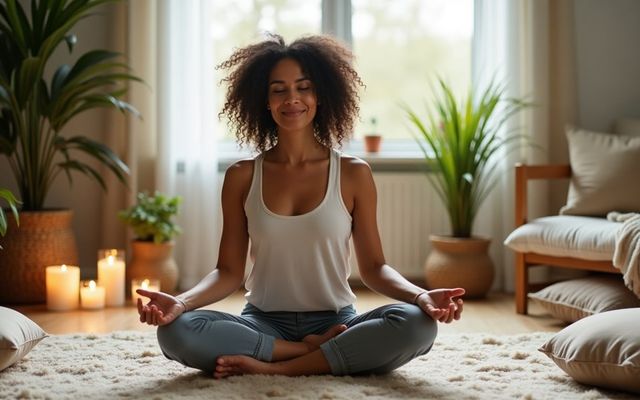
Beyond the basics of decluttering lies the art of creating a sacred space - your personal sanctuary where peace replaces chaos and intention trumps impulse.
Think of it as crafting your own meditation studio within your home, where every object serves a purpose and sparks joy.
Your sacred space should include:
- A cozy seating area that invites reflection
- Natural elements like plants or crystals
- Soft lighting that soothes your soul
- Personal tokens that remind you of your intentions
Daily Rituals for Mindful Living
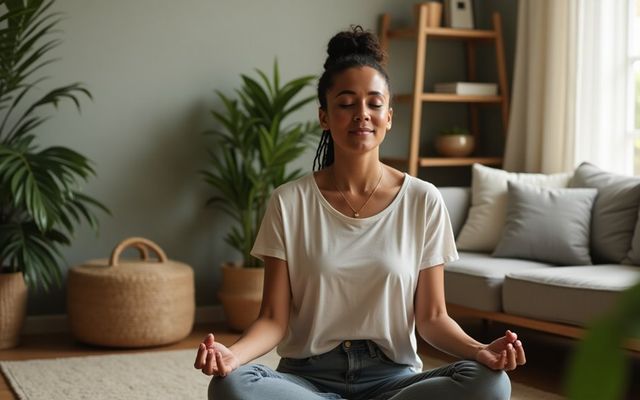
Creating sacred spaces sets the stage, but it's the daily practices that bring mindfulness to life. You'll find your rhythm through simple rituals that anchor your day - perhaps it's savoring that first cup of morning tea or taking three deep breaths before checking your phone.
Start small (trust me, I learned this the hard way!). Choose one mindful moment and build from there.
Maybe you'll journal while the sun rises, or practice gratitude during your evening shower. The magic happens when these tiny rituals become second nature, transforming ordinary moments into opportunities for presence and peace.
The Psychology Behind Letting Go
While most of us dream about living with less, the emotional reality of letting go runs surprisingly deep.
You're not just parting with stuff - you're processing layers of identity, memory, and perceived security.
Think of it as decluttering your mind, not just your space.
When you're ready to embrace psychological freedom, consider these core truths:
- Your belongings don't define your worth
- Fear of scarcity often masks deeper emotional needs
- Letting go creates space for growth and new experiences
- Attachment to things can block meaningful connections
Sustainable Simplicity: Environmental Impact
Once you understand that minimalism isn't just about decluttering your space, you'll discover its profound impact on the planet.
By choosing to own less, you're naturally reducing your carbon footprint and curbing the cycle of mindless consumption that's hurting our environment.
Think about it: every item you don't buy means less packaging waste, fewer resources extracted, and reduced manufacturing emissions.
When you embrace minimalism, you'll find yourself making more conscious choices – repairing instead of replacing, borrowing instead of buying, and choosing quality over quantity.
It's like giving Earth a big, sustainable hug (and your wallet will thank you too!).
Digital Detox: Minimalism in the Virtual World
Have you ever stopped to contemplate how cluttered your digital life has become? Just like our physical spaces, our virtual world needs regular decluttering.
Between endless notifications, overflowing email inboxes, and countless unused apps, we're drowning in digital noise.
Here's what you can do to start your digital detox journey:
- Unsubscribe from newsletters you never read
- Delete apps you haven't used in 3 months
- Create folders to organize your photos
- Turn off non-essential notifications
You'll be amazed at how liberating it feels to clear your virtual space.
When you mindfully curate your digital environment, you'll find more mental clarity and peace in your daily life.
Mindful Relationships and Social Connections
Just as we declutter our homes and digital spaces, our relationships deserve the same mindful attention and care.
You'll find that meaningful connections thrive when you're intentional about who you spend time with and how you nurture those bonds.
Think of your social circle like a carefully curated garden. Some friendships need daily tending, while others flourish with occasional check-ins.
Start by identifying your core relationships (you know, the ones that truly fill your cup), and invest your energy there.
Let go of toxic connections that drain you, and you'll discover that fewer, deeper relationships actually make you feel more connected.
Finding Peace Through Present-Moment Living
While many of us rush through life chasing the next big moment, true peace emerges when we learn to embrace the present one.
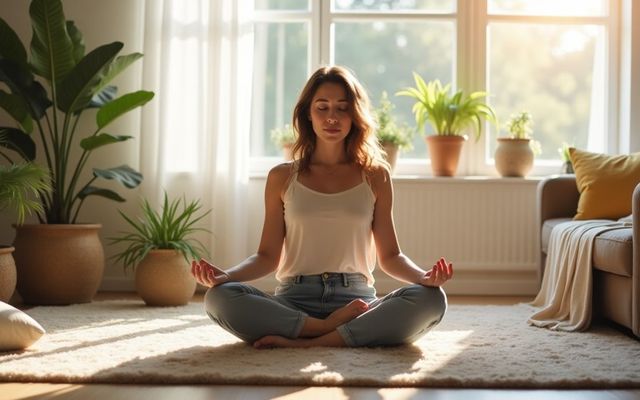
You'll discover that being fully present isn't just about meditation - it's about savoring life's simple pleasures.
Here's how you can practice present-moment awareness:
- Notice the warmth of sunlight on your skin during your morning walk
- Listen to the subtle rhythm of your breathing while stuck in traffic
- Taste each bite of your meal without reaching for your phone
- Feel the texture of your pet's fur as you stroke them
This mindful engagement transforms ordinary moments into extraordinary experiences, helping you find peace in life's natural flow.
Building a Lasting Simple Lifestyle
Present-moment awareness naturally paves the way toward simpler living - after all, you can't accumulate mental clutter when you're focused on the now.
It's like decluttering your mind and home simultaneously, creating a ripple effect of simplicity in your life.
Start by identifying your core values (what really matters to you!) and align your daily choices with them.
Maybe it's family time, creative pursuits, or personal growth. You'll find it easier to say "no" to excess when you're crystal clear on your "yes."
Create simple routines that stick - morning meditation, weekly decluttering sessions, or digital detox days.
Final Thoughts
You might worry that embracing minimalism means giving up life's pleasures, but it's actually about creating space for what truly matters. As you've learned, mindful minimalism isn't just about decluttering your home - it's about clearing mental chaos, strengthening relationships, and living more intentionally. Start small, stay consistent, and watch how simplicity transforms your daily experience. You'll find that less really does lead to more.