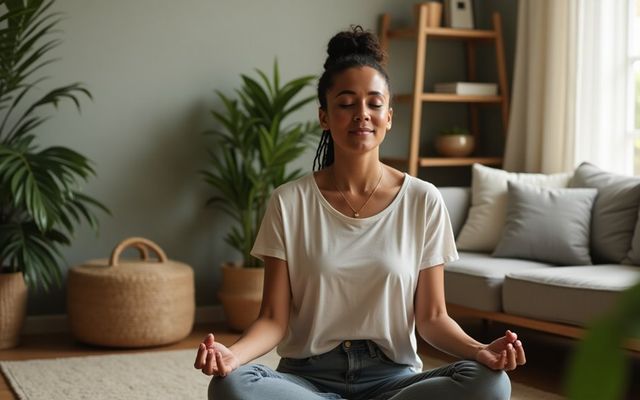
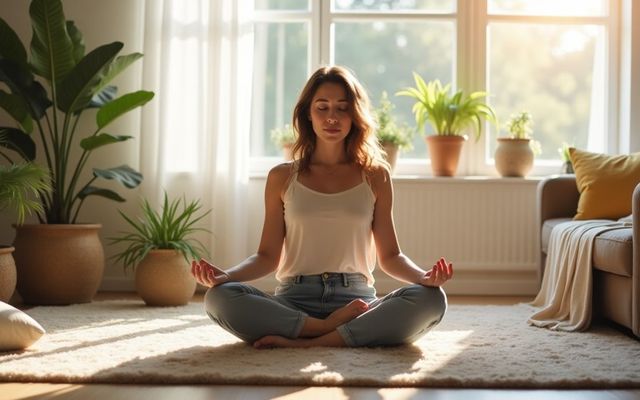
Modern mindfulness is undergoing a tech revolution that's transforming how you find your Zen. AI-powered apps now analyze your breathing patterns and customize guided sessions, while VR transports you to serene digital sanctuaries. Brain-sensing headbands provide real-time feedback on your mental state, and corporate wellness programs are making meditation as common as coffee breaks. With global communities and digital coaches at your fingertips, you're about to discover mindfulness practices that ancient masters never imagined possible.
Quick Highlights
- AI-powered meditation apps leverage machine learning to provide personalized mindfulness experiences through real-time analysis of user patterns and stress levels.
- Virtual reality meditation creates immersive environments that transport users to peaceful settings, enhancing traditional mindfulness practices.
- Neurofeedback technology integrates brain monitoring devices to provide measurable data on meditation effectiveness and mental states.
- Corporate mindfulness programs are becoming essential workplace features, offering meditation spaces and workshops to boost employee wellbeing.
- Digital wellness platforms foster global mindfulness communities through live group meditations and real-time coaching support.
Digital Mindfulness: The Rise of AI-Powered Meditation Apps
While traditional meditation often conjures images of silent retreats and crossed legs on cushions, today's mindfulness practices are just as likely to involve swiping and tapping on your smartphone screen.
You'll find AI-powered apps that can analyze your breathing patterns, customize guided meditations, and even adjust to your stress levels in real-time.
These digital wellness companions (think of them as your pocket Zen masters) are revolutionizing how we approach inner peace.
Apps like Headspace and Calm now use machine learning to track your progress and tailor sessions to your needs.
It's like having a meditation teacher who knows exactly when you need that gentle reminder to return to your breath.
Virtual Reality and Immersive Meditation Experiences
Taking meditation into new dimensions, virtual reality has transformed the way we experience mindfulness.
You'll find yourself transported to serene mountaintops or peaceful beaches, where guided breathwork feels more natural than ever. The immersive environments create a cocoon of tranquility that's hard to achieve in your living room.
When you slip on that VR headset, you're not just meditating - you're stepping into a fully realized zen space.
Whether you're floating through cosmic landscapes or sitting beside virtual waterfalls, these experiences make traditional apps feel flat.
Think of it as your personal meditation sanctuary, available whenever you need to escape the daily grind.
Neurofeedback Technology and Brain-Based Mindfulness
As neuroscience merges with meditation, you're about to witness a revolution in how we comprehend and enhance mindfulness practices.
Imagine wearing a sleek headband that reads your brainwaves while you meditate, offering real-time feedback on your mental state (pretty cool, right?).
You'll see your brain activity displayed on a screen, showing when you're truly focused versus just thinking you are.
It's like having a personal meditation coach inside your head! These neurofeedback tools help you understand what deep mindfulness actually feels like, making it easier to replicate that state.
Trust me, once you try brain-based mindfulness, traditional meditation will feel like practicing yoga blindfolded.
Corporate Mindfulness: Workplace Integration and Productivity
Since forward-thinking companies have realized that stressed employees aren't productive employees, mindfulness has stormed corporate America like a zen tsunami.
You'll now find meditation rooms at Google, mindfulness apps at Goldman Sachs, and breathing workshops at Apple.
When you're joining the corporate mindfulness movement, you'll discover tangible benefits: reduced stress, enhanced focus, and improved team dynamics.
Companies report up to 28% less stress-related sick leave when implementing mindfulness programs. (Trust me, your bottom line will thank you!)
Think of mindfulness as your workplace superpower - it's like hitting the reset button between challenging meetings or tight deadlines.
The Science Behind Modern Mindfulness Practices
Modern science has transformed mindfulness from an ancient practice into a neurologically-backed powerhouse of mental well-being.
You'll be amazed to learn that when you meditate, your brain physically changes (pretty wild, right?). Scientists have found that regular mindfulness practice can actually increase gray matter in areas linked to focus, emotional regulation, and learning.
Think of your brain as a muscle - just like you'd hit the gym to build biceps, you're strengthening neural pathways when you practice mindfulness.
Studies show even 8 weeks of consistent practice can reduce anxiety, improve sleep, and boost your immune system.
Community-Based Digital Wellness Platforms
While traditional mindfulness once meant sitting alone in quiet meditation, today's digital platforms are transforming the practice into a shared journey of growth and connection.
You'll find yourself part of a vibrant community where mindfulness meets modern tech.
- Join live group meditations with people from Tokyo to Toronto
- Share your progress and insights through interactive journals
- Get real-time support from certified mindfulness coaches
When you're feeling stuck, there's nothing quite like knowing thousands of others are breathing alongside you.
These platforms aren't just apps - they're digital sanctuaries where you'll discover that your mindfulness journey isn't a solo trek anymore.
Final Thoughts
You're witnessing a mindfulness revolution that's reshaping how we approach inner peace. With 2,500+ meditation apps now available (and growing daily), you've got unprecedented access to digital zen. Whether you're strapping on a VR headset for an immersive forest meditation or tracking your brainwaves through neurofeedback, the future of mindfulness isn't just about sitting quietly - it's about embracing technology while staying true to ancient wisdom.