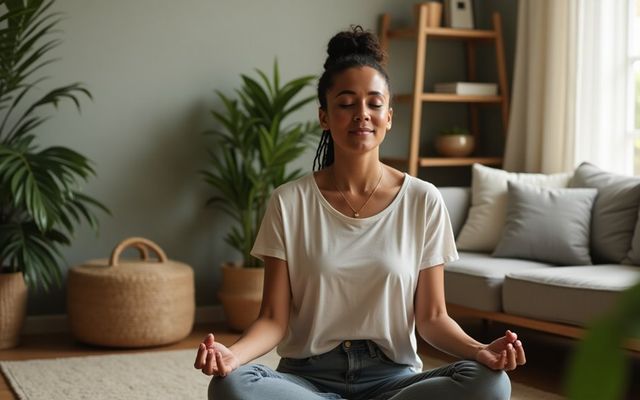
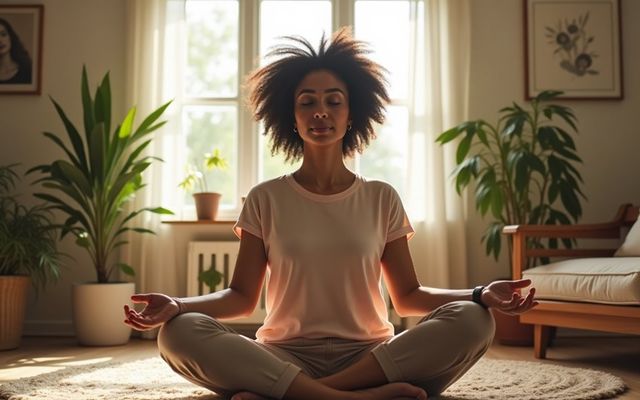
To reconnect with nature through outdoor meditation, you'll want to start with a comfortable spot like a mossy log or boulder during dawn or dusk. Wear weather-appropriate layers and focus on "Tree Breath" - deep breathing while visualizing yourself as a mighty oak. Remove your shoes to feel the earth beneath your feet, and let nature's rhythms guide your practice. Science shows just 20 minutes outdoors reduces cortisol by 30%, and that's just the beginning of your journey.
Quick Highlights
- Find a peaceful outdoor spot where you feel safe and can remain undisturbed, like a secluded garden or quiet forest clearing.
- Practice "Tree Breath" by visualizing yourself as a mighty oak while taking deep, grounding breaths in sync with nature.
- Remove shoes to connect directly with the earth, allowing natural textures to enhance mindfulness and physical grounding.
- Schedule outdoor meditation sessions during dawn or dusk when nature's energy is most conducive to mindfulness practice.
- Focus on surrounding natural sounds and scents without judgment, incorporating them into your meditation rather than viewing them as distractions.
The Science Behind Nature's Impact on Mental Health
While scientists have long suspected that nature holds healing properties, recent research has blown me away with just how powerful the great outdoors can be for our mental wellbeing.
You'll be amazed to learn that just 20 minutes in nature lowers your cortisol (that pesky stress hormone) by 30%!
When you're surrounded by trees and fresh air, your brain actually shifts into a more relaxed state. It's like your mind's hitting a reset button!
Studies show that natural settings boost serotonin production and reduce anxiety.
Trust me, I've seen this firsthand - there's nothing quite like that "forest bath" feeling (yes, that's a real thing!).
Essential Elements of Outdoor Meditation Practice
Now that we comprehend the powerful impact of nature on our minds, let's put that knowledge into practice with some real outdoor meditation techniques.
You'll need just four key elements to get started: a comfortable spot (I love finding a mossy log or smooth boulder), proper timing (dawn or dusk work best), weather-appropriate clothing (layer up!), and an open mind.
Think of yourself as nature's guest - you're not here to conquer the outdoors, but to blend with it.
Finding Your Perfect Natural Setting
Discovering your ideal meditation spot in nature feels like finding a second home - I've learned this firsthand after years of outdoor practice.
When you're searching for your perfect spot, trust your instincts. You'll know it when you feel that subtle pull, that inexplicable sense of rightness.
Look for places that offer both shelter and openness - maybe it's beneath a sprawling oak tree, beside a babbling brook, or atop a sun-warmed rock.
The key is finding somewhere you'll feel safe and undisturbed. (Trust me, meditation's tricky enough without unexpected joggers zipping past!)
Consider seasonal changes too. Your summer sanctuary might need a cozy alternative when winter rolls around.
Breathing Techniques for Outdoor Mindfulness
Once you've found your perfect outdoor sanctuary, mastering nature-based breathing techniques can transform your meditation practice from good to extraordinary.
Start with what I call the "Tree Breath" - inhaling deeply while imagining yourself as a mighty oak drawing nourishment from the earth.
Next, try the "Wind Whisper" (my personal favorite!) by matching your breath to natural rhythms around you.
Feel a breeze? Sync your exhales with its gentle flow.
Hear waves? Let your breathing mirror their tempo.
These techniques help you become one with your surroundings, creating a deeper connection to nature that'll make every outdoor meditation session feel like coming home.
Grounding Exercises in Natural Environments
While many meditation practices focus on internal awareness, grounding exercises in nature reveal a whole new dimension of mindfulness that I've found transformative in my own practice.
You'll discover profound connections by simply removing your shoes and feeling the earth beneath your feet (trust me, it's not just hippie talk!).
Start by wiggling your toes in grass, sand, or soil. Notice how each surface feels different - cool, warm, rough, or smooth.
I love watching my students' faces light up when they first experience this! Let your weight sink down as you imagine roots growing from your feet, drawing Earth's energy upward through your body.
Sensory Awareness Meditations in Nature
Building on our earthly connection through grounding, let's expand your awareness to nature's full sensory symphony.
You'll be amazed how each sense awakens like instruments joining an orchestra - one by one.
Start with sound: Listen for layers of birdsong, rustling leaves, and distant streams (I love catching that unexpected owl hoot!).
Then notice scents - pine needles, damp earth, wildflowers.
Let your eyes softly scan textures and colors without naming them.
Feel the air's temperature on your skin, the breeze's gentle touch.
You're not just observing nature anymore - you're becoming part of its unfolding story, moment by moment.
Weather-Specific Meditation Practices
As each weather pattern brings its own meditative gifts, you'll discover unique ways to deepen your practice in any condition.
Embrace gentle rain by focusing on each droplet's rhythm (nature's own percussion!), or find stillness in morning fog that wraps around you like a cozy blanket.
On sunny days, try sun-gazing meditation during golden hour, letting warmth wash over your closed eyelids.
When wind whips around you, sync your breath with its ebb and flow.
Even in storms, you can practice from a sheltered spot, allowing thunder to ground you in the present moment.
Building a Regular Outdoor Meditation Routine
To create a lasting outdoor meditation practice, you'll need more than just good intentions - you'll need a sustainable plan that works with your natural rhythms and lifestyle.
Start by identifying your "golden hour" - that sweet spot when you're most likely to follow through (maybe it's dawn before the kids wake up, or during your lunch break).
Choose a consistent location that feels right - your backyard sanctuary, a nearby park, or even that quiet bench by the lake. Make it yours!
Set reminders on your phone, pack a meditation kit (cushion, timer, jacket), and commit to showing up, rain or shine.
Overcoming Common Outdoor Meditation Challenges
Even the most dedicated outdoor meditators face unexpected hurdles - I've had my share of surprises, from curious squirrels interrupting my zen to sudden downpours that tested my commitment.
Let's tackle these challenges together so you can deepen your practice, no matter what nature throws your way.
- Set up a "weather-proof" backup spot (like a covered porch) for those unpredictable days
- Bring a small cushion to protect yourself from damp ground - trust me, wet pants aren't conducive to mindfulness!
- Choose less-trafficked areas during peak hours to minimize distractions
- Embrace nature's sounds as part of your meditation instead of fighting them
Deepening Your Connection With the Natural World
While meditation itself can transform your mindset, connecting deeply with nature takes your practice to an entirely new dimension.
You'll discover that each rustling leaf and chirping bird becomes part of your meditation journey.
Try this: Place your hand on a tree trunk and feel its weathered bark. Notice how the texture tells a story of seasons past.
Let your breath sync with the swaying branches (yes, you're literally becoming one with the tree!).
Ground yourself by wiggling your toes in the soil or grass - you're not just observing nature anymore, you're participating in its ancient dance.
Final Thoughts
You've explored how nature and mindfulness intertwine to create a powerful healing practice. Whether you're sitting by a babbling brook or feeling the grass between your toes, you're tapping into humanity's oldest form of meditation. As you continue building your outdoor practice, remember: it's not about perfection - it's about presence. The more you connect with nature's rhythms, the more you'll discover your own natural state of peace.