Are stress and anxiety overwhelming your life? You’re not alone. Studies show that 40 million adults in the US struggle with anxiety disorders.
But here’s the good news: meditation can offer relief. By practicing simple techniques, you can calm your mind, reduce stress, and find inner peace.
This article will introduce you to effective meditation techniques that will empower you to take control of your stress and anxiety and create a sense of belonging within yourself.
Introduction to Meditation for Stress and Anxiety
Introduction to Meditation for Stress and Anxiety
In this guide, we’ll explore the basics of meditation and how it can help manage stress and anxiety. Meditation is a practice that offers numerous benefits for your mental and emotional well-being. Scientific research has shown that it can effectively reduce stress levels, bring calmness to the mind, and promote a sense of peace and relaxation.
One of the main advantages of meditation is its ability to assist in stress and anxiety management. By incorporating various meditation techniques into your daily routine, you can gain better control over your thoughts and emotions.
There are different types of meditation techniques that you can explore to find what works best for you. Mindfulness meditation, for instance, focuses on being fully present in the moment and observing your thoughts and feelings without judgment. This technique can enhance your awareness of stress triggers, enabling you to respond to them in a calm and rational manner.
Another technique worth considering is loving-kindness meditation, which involves cultivating feelings of compassion and kindness towards yourself and others. This practice can be especially helpful in reducing anxiety and fostering a sense of connection and belonging.
By making meditation a part of your daily routine, you can reap the many benefits it offers for managing stress and anxiety. Whether you choose to practice mindfulness meditation or loving-kindness meditation, consistency and patience are key. With time and practice, you’ll develop a greater sense of inner peace and resilience in the face of stress and anxiety.
Remember, meditation is a personal journey, and what works for others may not necessarily work for you.
As the saying goes, ‘The quieter you become, the more you can hear.’
Mindfulness Meditation
Incorporating mindfulness meditation into your daily routine can have significant benefits for managing stress and anxiety. This technique involves focusing your attention on the present moment, without judgment.
Here are three key benefits of mindfulness meditation:
- Stress Reduction: Mindfulness meditation helps reduce stress by allowing you to observe your thoughts and emotions without becoming consumed by them.
- Emotional Regulation: Mindfulness meditation fosters emotional intelligence by enabling you to observe your emotions without reacting impulsively. This practice promotes self-awareness and enhances your ability to regulate and manage your emotions effectively.
- Increased Focus and Clarity: Regular mindfulness meditation practice can improve your concentration and focus. By training your mind to stay present, you can enhance your cognitive abilities and achieve greater mental clarity.
Guided Meditation
Experience the benefits of guided meditation as you join a trained instructor in soothing sessions designed to reduce stress and anxiety. Guided meditation is a powerful tool that promotes overall well-being by inducing deep relaxation and providing relief from the pressures of daily life.
When you follow the instructor’s voice and guidance, you can redirect your attention and enter a state of calm and tranquility, alleviating the racing thoughts and worries that often accompany these emotions.
Guided meditation also offers a structured approach to mindfulness, making it accessible for both beginners and experienced practitioners. The instructor will assist you in developing a heightened sense of awareness, encouraging you to connect with your body, breathing, and emotions. This increased awareness can bring about a sense of grounding and centeredness, equipping you to navigate life’s challenges with greater ease.
In addition to promoting relaxation and mindfulness, guided meditation can enhance self-compassion and self-acceptance. Through practices like loving-kindness meditations and body scans, the instructor helps you cultivate kindness and compassion towards yourself. This is particularly beneficial for individuals struggling with self-criticism or negative self-talk.
Breathing Techniques
Deep breathing and Pranayama techniques have been used for centuries to calm the mind, relax the body, and promote overall well-being. Here are three breathing techniques that can help you find peace and reduce stress:
- Diaphragmatic breathing: This technique involves taking slow, deep breaths, filling your lungs completely and expanding your diaphragm. As you inhale, imagine the breath flowing into your belly, allowing it to rise and fall with each breath. This technique helps activate the body’s relaxation response and can quickly reduce feelings of anxiety and tension.
- Alternate nostril breathing: This technique involves gently closing one nostril with your finger and inhaling deeply through the other nostril. After inhaling, close the other nostril and exhale through the first nostril. Repeat this process, alternating between nostrils. Alternate nostril breathing helps balance the energy in your body, promoting a sense of calm and focus.
- Box breathing: This technique involves inhaling slowly for a count of four, holding the breath for a count of four, exhaling for a count of four, and holding the breath out for a count of four. Repeat this pattern several times, focusing on the steady rhythm of your breath. Box breathing helps regulate your nervous system and can bring a sense of equilibrium and clarity to your mind.
Incorporating these breathing techniques into your meditation practice can enhance its effectiveness and provide you with a powerful tool for managing stress and anxiety. Remember, the breath is always accessible to you, offering a sense of grounding and connection to the present moment.
Visualization and Imagery
Visualization is a powerful tool that can help you relax and calm your mind. By creating clear mental images, you can transport yourself to a peaceful and tranquil place, away from the pressures of everyday life.
To begin, find a quiet and comfortable space where you won’t be disturbed. Close your eyes and take a few deep breaths, allowing your body to relax with each exhale. As you start to feel more grounded, imagine yourself in a serene environment, such as a beach or a lush forest. Imagine the sensory details – the sound of the waves crashing, the warmth of the sun on your skin, the scent of the fresh air.
Engage your senses and let your imagination flow freely. You can also incorporate relaxation exercises, such as progressive muscle relaxation, into your visualization practice. As you visualize, focus on releasing tension from different parts of your body, starting from your head all the way down to your toes.
Creative visualization allows you to tap into your subconscious mind and manifest positive change. Visualize yourself overcoming challenges, achieving your goals, and feeling a sense of inner calm and peace. By regularly practicing visualization and imagery techniques, you can enhance your ability to relax, reduce stress, and cultivate a more positive mindset.
Keep exploring and stay open to the possibilities that arise during your meditation journey.
Body Scan Meditation
Body scan meditation is a technique that strengthens the connection between your mind and body, promoting a sense of relaxation.
Here are three important benefits of incorporating body scan meditation into your routine:
- Heightened Awareness: During body scan meditation, you focus your attention on different parts of your body, starting from your toes and moving up to your head. This practice cultivates a deep sense of awareness, allowing you to notice any tension, discomfort, or sensations in each area. By paying attention to these sensations, you can release any physical or emotional tension that may be stored in your body.
- Relaxation Response: Body scan meditation activates the relaxation response, which is the opposite of the stress response. As you scan your body, you consciously relax each area, releasing tension and promoting a state of deep relaxation. This helps reduce stress, lower blood pressure, and calm the mind.
- Mind-Body Connection: Body scan meditation enhances the mind-body connection by directing your attention to the physical sensations in your body. This practice helps you develop a greater understanding of how your thoughts, emotions, and physical sensations are interconnected. By cultivating this awareness, you can better manage stress and anxiety, and improve your overall well-being.
Take a few moments each day to scan your body, relax your muscles, and nurture the mind-body connection. You deserve the peace and relaxation that comes from this practice.
Expert Tips for Effective Meditation
Expert Tips for Effective Meditation
To improve your meditation practice and achieve better results, try incorporating these tips from experts.
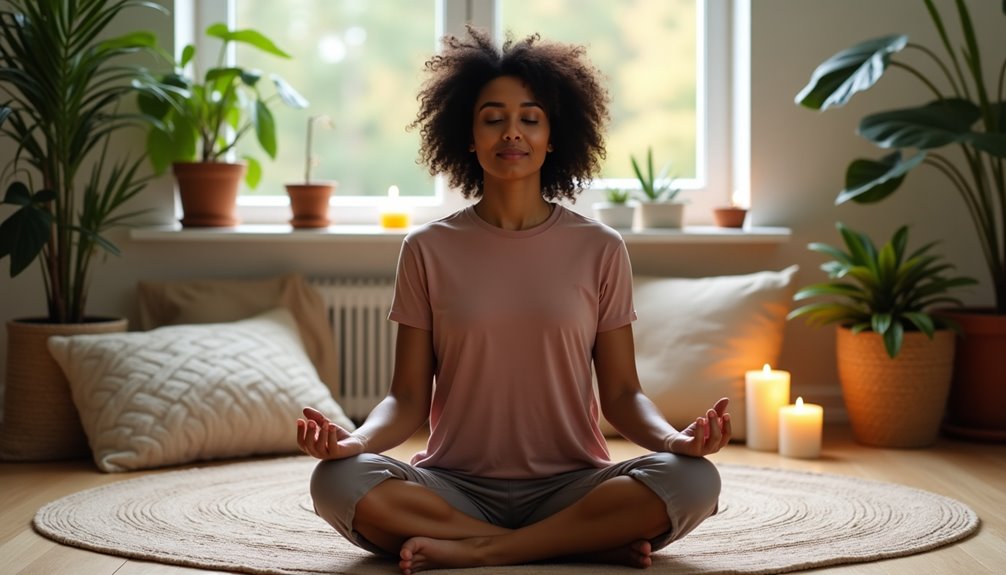
One technique you can explore is silent meditation. Find a quiet and peaceful place where you can sit comfortably. Close your eyes and focus on your breath. Allow your thoughts to come and go without judgment, simply observing them.
Another technique to consider is mantra meditation. Select a word or phrase that resonates with you, such as ‘peace’ or ‘love.’ Repeat this mantra silently or out loud, letting it become a focal point for your attention. As you repeat the mantra, let go of any other thoughts or distractions that may arise.
It’s important to remember that there’s no right or wrong way to meditate. It’s a personal journey, and what works for one person may not work for another. Find a technique that feels comfortable and natural to you. Begin with short sessions and gradually increase the duration as you become more at ease.
Consistency is key, so try to incorporate meditation into your daily routine. Over time, with regular practice, you’ll experience the benefits of effective meditation, such as reduced stress and anxiety, improved focus, and an enhanced sense of well-being.
Harnessing the Power of Meditation
If you want to tap into the full potential of meditation, embrace its power to transform your mind and body. Meditation has many benefits that can greatly improve your overall well-being. Here are three ways you can make the most of meditation and incorporate it into your daily life:
- Start with small steps: Begin by setting aside a few minutes each day for meditation. Find a quiet and comfortable space where you can relax and focus your attention. Start with simple breathing exercises and gradually increase the duration and complexity of your practice. Consistency is key, so make it a habit to meditate regularly.
- Explore different techniques: There are various meditation techniques available, so it’s important to find what works best for you. Whether it’s mindfulness meditation, loving-kindness meditation, or transcendental meditation, experiment with different approaches and find the one that resonates with you. Each technique offers its own unique benefits, so don’t be afraid to explore and discover what suits you best.
- Integrate meditation into your daily routine: Look for opportunities throughout the day to incorporate meditation into your daily activities. It could be as simple as taking a few moments to focus on your breath during your lunch break or practicing gratitude before going to bed. By integrating meditation into your daily routine, you can experience its benefits in a more profound and lasting way.