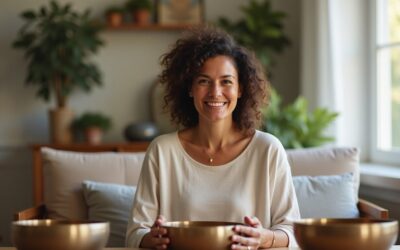
You'll discover meditation isn't one-size-fits-all – it's a buffet of options waiting for your exploration. From mindfulness that keeps you present to movement-based practices like walking meditation, each style offers unique benefits. Start with basic breath awareness, then experiment with guided visualizations or loving-kindness meditation. Just 5 minutes daily can reveal which approach resonates most with your mind and lifestyle. Your perfect practice awaits just around the corner.
Quick Highlights
- Start with mindfulness meditation as it's foundational and teaches basic skills of breath awareness and present-moment focus.
- Try movement-based practices like walking meditation or yoga if sitting still feels challenging or uncomfortable.
- Experiment with guided visualizations for a structured approach that helps ease beginners into meditation practice.
- Practice different techniques for 5-10 minutes each to discover which style resonates most with your personality and goals.
- Remember there's no "wrong way" to meditate – choose methods that feel natural and bring you peace and clarity.
Understanding the Core Types of Meditation
When you first dip your toes into meditation, you'll quickly discover it's not just about sitting cross-legged and humming "om."
Think of meditation styles like ice cream flavors – there's something for everyone, and what works for your friend mightn't work for you.
The core types include mindfulness (focusing on the present moment), transcendental (using mantras), loving-kindness (cultivating compassion), and movement-based practices like walking meditation.
Each style serves a unique purpose, just like different tools in your mental wellness toolkit.
You'll find some practices energize you while others bring deep calm – and that's perfectly normal!
Mindfulness Meditation: The Foundation
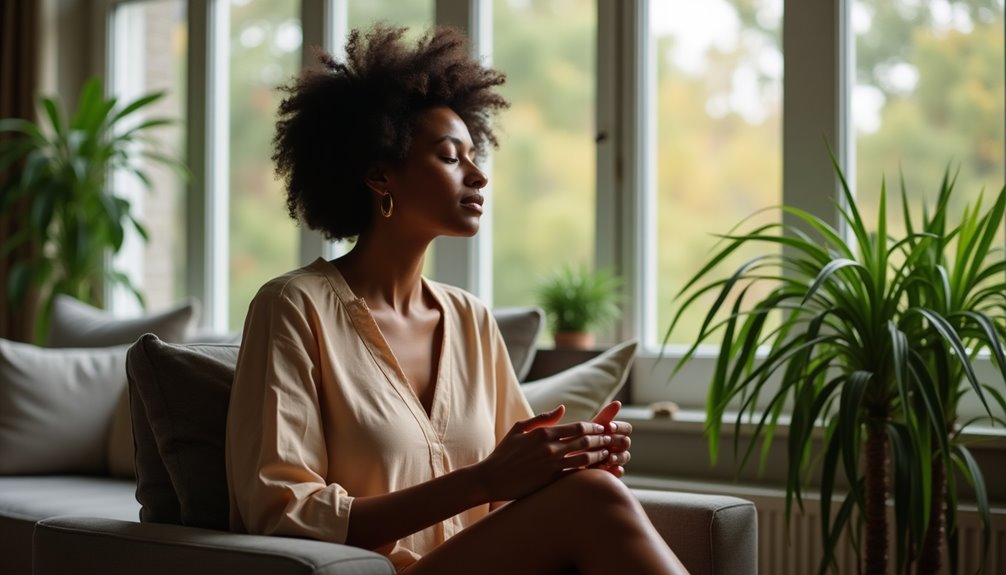
Picture mindfulness meditation as your gateway to inner calm – it's the foundation that most modern meditation practices are built upon.
When you practice mindfulness, you're training your mind to stay present, just like building a muscle at the gym. You'll learn to observe your thoughts without judgment, creating space between you and your reactions.
- Focus on your breath as an anchor to the present moment
- Notice thoughts without getting caught up in them
- Bring gentle awareness to physical sensations
- Return to your breath whenever your mind wanders
Think of mindfulness as your mind's home base – a place you can always return to when life feels overwhelming.
Focused Breathing Techniques
Focused breathing serves as your meditation superpower, transforming scattered thoughts into laser-sharp clarity.
Here's the thing: you're already breathing all day long, so why not put those breaths to work? Start by finding a comfortable spot (your favorite chair will do just fine) and tune into your natural rhythm.
Count each inhale and exhale (1… 2… 3…), and when your mind wanders (trust me, it will), gently guide it back.
Think of it like training a playful puppy – with patience and practice, you'll develop incredible focus. Before you know it, you'll be riding those breath waves like a meditation pro.
Movement-Based Meditation Practices
Many people don't realize that meditation doesn't always mean sitting still like a statue. You can find your zen while moving your body in mindful ways.
I've discovered that movement meditation helps me stay present when traditional sitting practices feel too challenging.
- Walking meditation, where you focus on each step and breath
- Tai Chi's flowing movements that combine breath with gentle motion
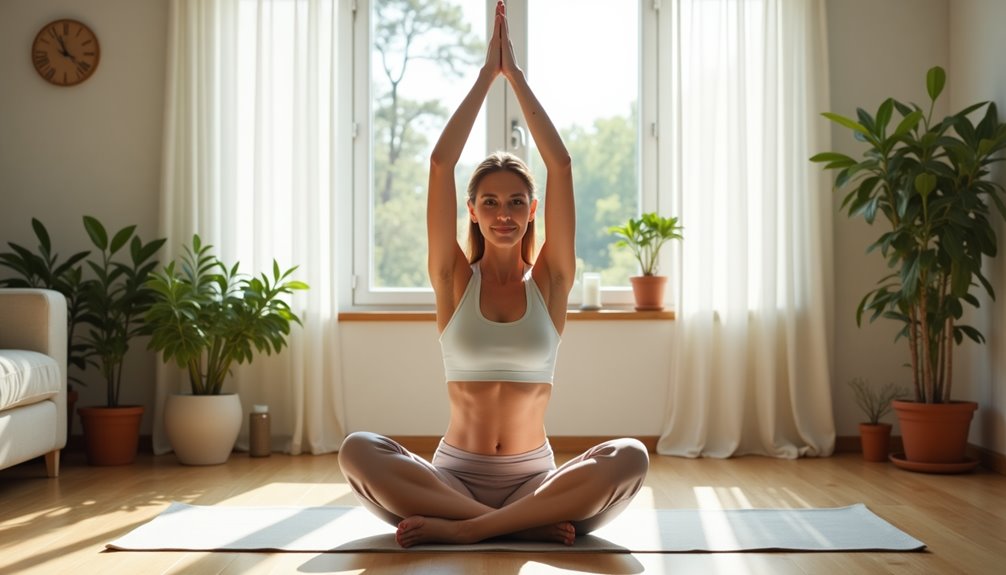
- Yoga poses that unite mind, body, and breath awareness
- Dance meditation that lets you express emotions through free movement
These dynamic practices offer a perfect entry point if you're fidgety like me.
You'll find that moving mindfully can quiet your mind just as effectively as sitting still.
Guided Visualization Methods
While physical movement helps some people achieve mindfulness, I've found that the power of imagination can be just as transformative.
You'll love how guided visualization takes you on mental journeys – like exploring peaceful beaches or serene mountain tops – while you're comfortably seated.
I remember struggling with traditional meditation until I discovered visualization.
Now, whether I'm picturing a healing white light or walking through an enchanted forest (my personal favorite!), I'm fully immersed.
You can start with simple five-minute sessions using apps or YouTube videos.
Trust me, once you find your perfect mental landscape, you'll wonder why you didn't try this sooner.
Sound and Mantra Meditation
Sound vibrations carry incredible power to transform your meditation practice. When you're chanting a mantra or focusing on sacred sounds, you'll notice how they resonate through your entire being, creating a bridge between your physical and spiritual self.
- Use "Om" (pronounced AUM) – it's the most universal and beginner-friendly mantra
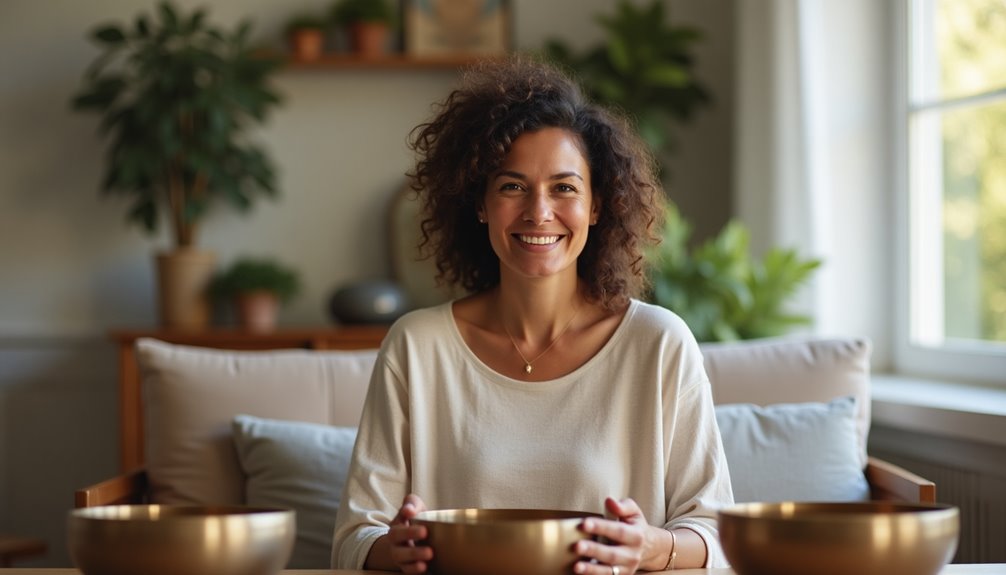
- Try singing bowls or bells to anchor your attention
- Create your own personal power phrase that feels authentic
- Experiment with different pitches and volumes to find what resonates
You'll find that sound meditation isn't just about making noise – it's about finding your unique frequency and letting it guide you to deeper awareness.
Choosing the Right Time and Space
Creating the perfect meditation environment starts with setting yourself up for success through timing and location.
You'll want to find a consistent time when you're naturally alert but not rushed – maybe it's those peaceful morning moments before the house wakes up, or that sweet spot after work when you're winding down.
Your space matters just as much.
Pick a cozy corner where you won't be disturbed (sorry, not the kitchen during dinner prep!). Even a closet can work if it's quiet!
Add simple touches like a cushion or blanket, and maybe a plant or two.
It's your sanctuary – make it feel like home.
Common Challenges and Solutions
Meditation brings three common roadblocks that can trip up even the most dedicated practitioners – wandering thoughts, physical discomfort, and that pesky feeling that you're "doing it wrong."
Trust me, I've faced them all!
Don't worry – you're not alone in these challenges. Here's what's helped me and countless others overcome meditation hurdles:
- Start with just 5 minutes (yes, that's enough!)
- Treat wandering thoughts like passing clouds – notice them, then let them float away
- Try different postures until you find your sweet spot
- Remember there's no "perfect" meditation – it's a practice, not a performance
Building a Sustainable Practice
When it comes to sticking with meditation long-term, consistency matters more than perfection.
You'll find that creating a sustainable practice isn't about marathon sessions – it's about showing up daily, even if just for five minutes.
Start by anchoring your practice to an existing habit (like morning coffee or bedtime routines).
You're more likely to stick with it when it feels natural, not forced.
Set realistic goals – maybe three 10-minute sessions weekly instead of daily hour-long sits.
Measuring Your Progress and Growth
Although tracking your inner journey might seem counterintuitive, measuring progress in meditation doesn't require complicated metrics or rigid benchmarks.
You'll notice subtle shifts in your daily life that signal growth – like responding rather than reacting to stress, or finding pockets of peace in formerly challenging situations.
- Your sleep quality improves, and you wake feeling more refreshed
- You're catching yourself before emotional reactions escalate
- Everyday tasks become opportunities for mindfulness rather than mundane chores
- You're developing a gentler inner dialogue with yourself
Final Thoughts
You're now equipped with enough meditation know-how to make a zen master jealous – or at least fake it convincingly at your next yoga class. Whether you're counting breaths, chanting mantras, or just trying not to fall asleep cross-legged, you've got options. Remember, there's no "wrong" way to meditate (except maybe while skydiving). Find your groove, stick with it, and soon you'll be floating in blissful awareness – or at least stressing less about stressing.