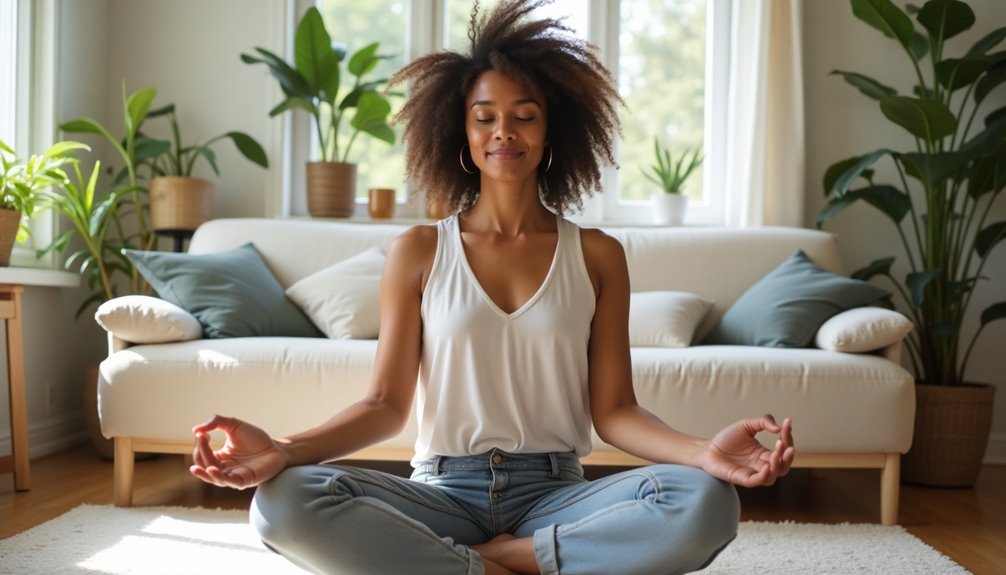
The power of gratitude isn't just feel-good fluff – it's science-backed magic for your brain and body. When you practice appreciation regularly, you'll trigger mood-boosting chemicals, reduce stress by 23%, and even sleep better. Simple daily habits like the "Three Good Things" ritual or sending thank-you texts can rewire your neural pathways for lasting happiness. Plus, expressing gratitude strengthens relationships and builds resilience. You're just a few thankful moments away from transforming your entire outlook.
Quick Highlights
- Daily gratitude practices trigger dopamine and serotonin release, rewiring neural pathways for improved mood and reduced stress levels.
- Three weeks of consistent gratitude practice can decrease stress hormones by 23% while enhancing sleep quality and immune function.
- Simple acts like keeping a gratitude journal and sharing appreciation create lasting positive changes in mental and emotional well-being.
- Regular expression of gratitude strengthens relationships by fostering deeper emotional connections and creating space for authentic interactions.
- Conscious focus on personal blessings, rather than comparisons, helps overcome negativity bias and cultivates sustainable happiness.
Understanding the Science Behind Gratitude

When scientists first began studying gratitude in the laboratory, they discovered something remarkable – this simple emotion actually rewires our brains in profound ways.
You're literally changing your neural pathways every time you pause to appreciate life's gifts (yes, even that first cup of morning coffee counts!).
Here's what's happening in your brain: Gratitude triggers the release of dopamine and serotonin, those feel-good chemicals that boost your mood.
It's like giving your brain a warm hug! Research shows that practicing gratitude for just three weeks can reduce stress hormones by 23% and improve sleep quality – pretty amazing for such a simple practice, right?
The Physical and Mental Health Benefits of Being Thankful
Gratitude warriors often discover that their thankfulness practice delivers far more than just warm fuzzy feelings – it's actually a powerful catalyst for whole-body wellness.
When you regularly count your blessings, you'll notice your blood pressure dropping, immune system strengthening, and stress levels plummeting. You're literally rewiring your brain for joy!
The mental perks are just as impressive.
You'll find yourself sleeping better, experiencing fewer anxiety spirals, and feeling more connected to others. (Who knew saying "thanks" could be such a game-changer?)
Research shows grateful people are 25% happier than their less appreciative peers – and they're more resilient when life throws curveballs their way.
Simple Daily Practices to Build a Gratitude Habit
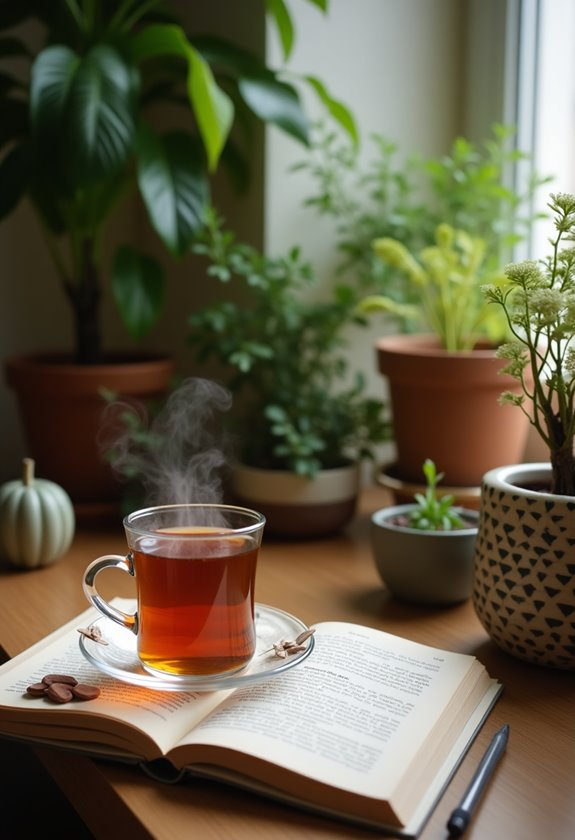
Ready to transform those amazing benefits into your daily reality?
Let's build gratitude into your everyday routine with practices that'll feel as natural as your morning coffee.
- Start a "Gratitude Trigger" – Link thankfulness to daily activities (like brushing your teeth or waiting for your coffee to brew)
- Create a "Three Good Things" ritual before bed – Jot down three specific moments that made you smile
- Send "Thank You" texts to people who've brightened your day – You'll double the joy by sharing it
How Gratitude Transforms Personal Relationships
Though we often think of relationships as complex puzzles, I've discovered that expressing gratitude acts like a master key – revealing deeper connections and transforming even the most challenging dynamics.
When you regularly acknowledge your partner's small gestures, celebrate your friend's victories, or thank your parents for their sacrifices, you're not just being polite – you're building emotional bridges.
I've seen firsthand how a simple "I appreciate you" can defuse tension, heal old wounds, and create space for vulnerability.
Think of gratitude as relationship fertilizer (yes, really!). Just as plants need nutrients to thrive, your connections need consistent appreciation to grow stronger and more resilient.
Overcoming Obstacles to Practicing Gratitude

While practicing gratitude brings incredible rewards to our relationships, let's be honest – it's not always as simple as saying "thank you."
I've struggled countless times with maintaining a consistent gratitude practice, hitting the same roadblocks that many of my clients mention during our sessions.
You're not alone in facing these challenges. Here are the most common obstacles (and how to overcome them):
- The comparison trap – focusing on what others have instead of your blessings
- Negativity bias – our brain's tendency to fixate on problems
- Time pressure – feeling too busy to pause and reflect
Teaching Children the Value of Appreciation
Most parents dream of raising grateful children, but few know exactly how to plant those seeds of appreciation early on.
You can start by modeling gratitude yourself – children are watching how you respond when someone holds the door or brings you coffee.
Make appreciation tangible through simple activities. Create a family gratitude jar, write thank-you notes together, or play "three good things" at dinner.
When your child receives gifts, guide them to focus less on the item and more on the thoughtfulness behind it.
Gratitude in the Workplace: Creating Positive Cultures
As employees spend countless hours at work, cultivating gratitude can transform a mundane office into a thriving community.
You'll find that when you actively practice appreciation, your workplace becomes more than just a paycheck – it's a place where genuine connections flourish.
Here's how you can spark a gratitude revolution at work:
- Start team meetings by sharing wins and thanking colleagues
- Create a digital kudos board where everyone can post appreciation notes
- Institute "Gratitude Fridays" where you treat someone who's helped you to coffee
When you're mindful about expressing thanks, you'll notice how quickly positivity spreads – it's like watching dominos of kindness fall into place.
Mindfulness and Gratitude: A Powerful Combination
Since ancient times, mindfulness and gratitude have danced together like perfectly matched partners in life's grand ballroom.
When you pair these powerful practices, you're fundamentally creating a supercharge for your well-being – like adding rocket fuel to your happiness tank!
You'll notice that mindfulness enhances your ability to spot life's gifts. Instead of rushing past that morning coffee, you'll savor its aroma.
Rather than scrolling mindlessly through your phone, you'll notice your child's infectious laugh.
These moments of presence amplify gratitude, creating a beautiful cycle: the more mindful you become, the more grateful you feel, and the more grateful you feel, the more present you become.
Digital Tools and Resources for Gratitude Practice
The digital age has revolutionized how we practice gratitude, turning our smartphones and tablets into powerful allies for cultivating thankfulness.
Whether you're a tech enthusiast or just getting started, there's an app or platform that'll fit your style.
Here are my favorite digital gratitude tools that you'll love:
- Gratitude365 – Track daily moments of joy with photos and journal entries
- ThankfulThoughts – Set reminders and share appreciation with loved ones
- MoodSpace – Combine mindfulness meditation with gratitude exercises
I've found these digital companions make it easier to stay consistent with your practice, especially when life gets hectic.
Plus, they're perfect for connecting with other grateful souls worldwide!
Final Thoughts
Like planting seeds in a garden, your daily practice of gratitude will bloom into profound changes throughout your life. You'll notice how being thankful transforms your relationships, boosts your wellbeing, and brightens even the cloudiest days. Whether you're jotting in a journal, sharing appreciation with others, or simply pausing to count your blessings, you're creating ripples of positivity that'll reshape your world. Start small, stay consistent, and watch gratitude work its magic.