
Feeling a bit down? Shake off the blues and kick up your heels!
Discover how dance can lift your spirits and improve your mental well-being. It’s not just about moving your body; it’s about releasing those feel-good endorphins, becoming more aware of your body, and finding a supportive community.
Get ready to groove your way to a happier, healthier you.
Physical Exercise
You can enhance your mental well-being through dance by incorporating physical exercise into your routine, increasing your overall health and vitality. When you hit the dance floor, you’re not just moving your body but also giving your mind a serious workout. The mind-body connection is powerful, and dancing is a fantastic way to strengthen it. As you groove to the music, you’re burning calories and reducing stress and anxiety.
The rhythmic movements and the music’s beat work together to create a harmonious flow that eases tension and uplifts your spirits. Dance is like a stress relief potion in motion, simultaneously working its magic on your mind and body. It’s a delightful way to release any pent-up emotions and let go of the day’s worries. Your brain gets a break from overthinking, and your muscles get a chance to loosen up. The result? A happier, healthier you.
Endorphin Release
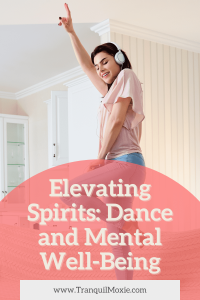 When engaging in dance, endorphins are released as you move to the music, contributing to feelings of joy and well-being. These little guys are like your body’s very own mood enhancers, giving you a natural high that can rival any feel-good moment. It’s like your brain is throwing a party and the endorphins are the VIP guests, bringing along a wave of positivity that can lift your spirits in no time.
So, why not hit the dance floor next time you’re feeling stressed or down? The endorphin release from grooving to your favorite tunes can act as a natural stress reduction technique, melting away the tension and leaving you with a sense of calm and contentment. It’s like your worries are taking a backseat while your body and mind soak in the euphoric vibes.
Plus, the added benefit of physical activity during dance can help release even more endorphins, creating a double whammy of mood-boosting goodness.
In essence, dancing isn’t just about the moves; it’s about the chemical magic happening inside you that can elevate your mood and help you shake off the blues.
Body Awareness
Engaging in dance elevates your body awareness, fostering a deeper connection between your movements and your mental state. It’s like getting a firsthand look at the intricate dance between your mind and body, and let’s face it, they’re not always in sync. Here’s why body awareness through dance is so transformative:
- Mind-Body Connection: As you move to the music, you become acutely aware of the feedback loop between your physical actions and your mental and emotional state. It’s like unraveling a mysterious code that only you can decipher.
- Movement Therapy: Dance provides a therapeutic outlet to express feelings that may be difficult to articulate. It’s like your body becomes a canvas, painting the emotions that words fail to capture.
- Sensory Integration: The music, the movement, the rhythm—everything comes together to create a symphony of sensory experiences. It’s like your senses are throwing a party, and dance is the guest of honor.
- Self-Expression: You can express your innermost thoughts and feelings without uttering a single word through dance. It’s like your body becomes a storyteller, weaving tales of joy, sorrow, and everything in between.
Group Therapy
Amidst the dance floor, you frequently immerse yourself in a therapeutic collective experience, fostering a sense of unity and emotional resonance. Group therapy through dance provides a supportive environment where emotional expression isn’t only encouraged but celebrated. The shared experience of moving to the music allows for a deep level of connection, building trust and fostering social bonds.
In this setting, you have the opportunity to express yourself freely, knowing that you’re surrounded by individuals who are there to support you. The group dynamic creates a space where you can explore your emotions through movement, finding solace in the understanding and empathy of others. As you engage in the choreography alongside your peers, you become part of a cohesive unit, each person contributing to the collective energy and well-being of the group.
Moreover, the social connection that emerges from group therapy through dance extends beyond the dance floor, creating a network of individuals who uplift and inspire one another. Together, you navigate the intricacies of human emotion, finding strength in unity and comfort in shared experiences.
Non-Verbal Communication
Frequently, you’ll notice how non-verbal communication during dance allows you to convey emotions without using words, creating a powerful means of expression and connection with others. Body language speaks volumes on the dance floor, tapping into a realm of emotional expression that words often struggle to reach. Here’s how non-verbal communication in dance can stir the soul:
- Synchronized Movements: The harmony of synchronized movements in a dance routine can evoke a sense of unity and togetherness, fostering a feeling of belonging and support.
- Expressive Gestures: From a gentle hand gesture to a powerful leap, every movement in dance can convey a wide range of emotions, allowing for a deeper understanding of each other’s feelings.
- Intimate Partnering: The close connection in partner dances like the tango or salsa allows for a unique form of non-verbal communication, building trust and vulnerability between partners.
- Energetic Dynamics: The energy exchanged through movement creates a palpable atmosphere, igniting passion, joy, and empathy among dancers.
Through body language and emotional expression, dance becomes a language of its own, speaking directly to the heart and soul, transcending the limitations of verbal communication.
Frequently Asked Questions
How Can Dance Help Improve Memory and Cognitive Function?
Dance is like a mental workout, boosting your memory and cognitive function. It improves focus, enhancing coordination, and challenging your brain in a fun way. So next time, groove to your favorite tunes for a brain boost!
Can Participating in Dance Activities Help Reduce Symptoms of Anxiety and Depression?
Yes, dance therapy has been shown to reduce symptoms of anxiety and depression. Research evidence supports the positive impact of dance classes and social interaction on mental well-being. It’s a fun and effective way to elevate your spirits!
Are There Specific Dance Styles or Techniques That Are More Beneficial for Mental Well-Being?
When it comes to dance styles for mental well-being, it’s about finding what resonates with you. Ballroom and movement therapy can provide structure and connection, while hip hop and freestyle dance offer freedom and self-expression.
How Does Dance Contribute to a Sense of Community and Belonging?
Dance builds bonds and creates a sense of belonging. It’s like a secret handshake connecting you to a like-minded community. You feel seen, understood, and accepted, all through the power of movement.
What Are Some Strategies for Incorporating Dance Into a Self-Care Routine for Mental Health?
When it comes to incorporating dance into your self-care routine for mental health, focus on dance therapy for relaxation and strengthening the mind-body connection. Embrace the emotional release that comes with moving to music.
Conclusion
So next time you feel down, remember that busting a move can lift your spirits higher than a hot air balloon.
Dance is like a sparkling tonic for your mind, body, and soul. It’s a celebration of life, a symphony of movement that can help you shake off the blues.
So slip on those dancing shoes and let the rhythm carry you to a happier place. Let’s boogie our way to mental well-being!