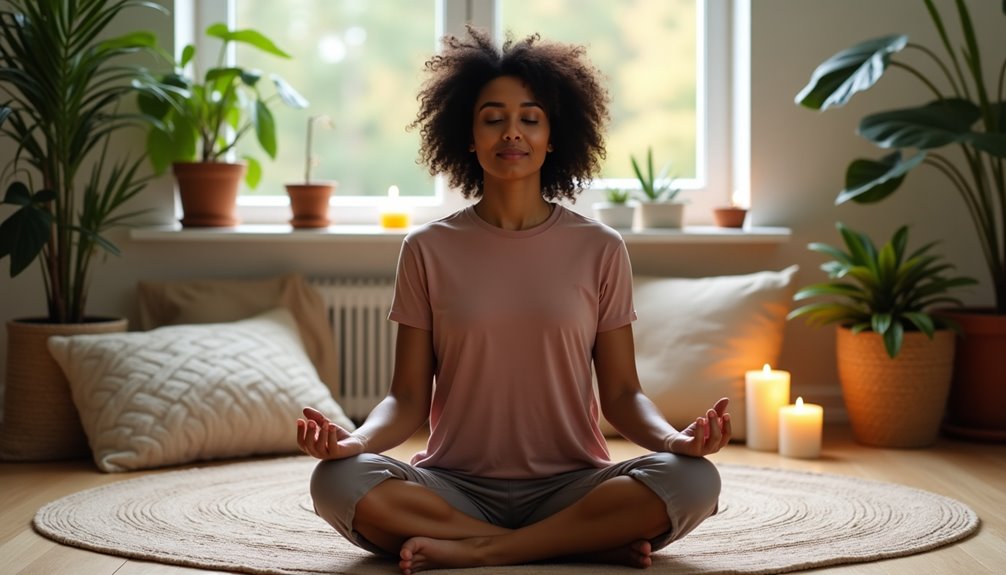
Are you ready to unlock the extraordinary power of gratitude and transform your self-care and well-being?
Discover how practicing gratitude can have a profound impact on your mental health and happiness. Studies show that incorporating gratitude practices, like counting your blessings and writing gratitude letters, can lead to reduced symptoms of depression and increased feelings of joy.
Join us as we explore the incredible benefits of gratitude and learn techniques for cultivating a sense of appreciation in your daily life.
Key Takeaways
- Practicing gratitude has been shown to improve mental health and well-being.
- Writing gratitude letters can help shift attention away from negative emotions and thoughts.
- The benefits of gratitude writing may take time to fully manifest, but they can have lasting effects on brain functioning.
- Gratitude writing can be beneficial even if the letters are not shared with others.
The Benefits of Practicing Gratitude
You will experience numerous benefits when you practice gratitude regularly. Gratitude journaling, meditation, and writing gratitude letters are all effective ways to cultivate gratitude in your life. Keeping a gratitude journal allows you to reflect on the positive aspects of your day and can increase your overall well-being. Research has shown that individuals who engage in gratitude journaling experience higher levels of happiness and lower levels of stress and depression.
Gratitude meditation involves focusing on the things you’re grateful for and can help you develop a more positive outlook on life. By actively practicing gratitude in your relationships, you can strengthen your connections with others. Expressing gratitude towards your loved ones can enhance feelings of closeness and improve relationship satisfaction.
Additionally, practicing gratitude has been linked to improved physical health. Studies have shown that individuals who regularly practice gratitude have lower blood pressure, improved immune function, and better sleep quality. Gratitude has also been associated with reduced symptoms of chronic pain and increased resilience in the face of adversity.
Incorporating gratitude into your daily life can have a significant impact on your overall well-being. By engaging in practices such as gratitude journaling, meditation, and expressing gratitude in your relationships, you can experience the many benefits that come with cultivating a grateful mindset.
How Gratitude Enhances Self-Care
Practicing gratitude enhances your self-care by promoting a sense of mindfulness and fostering a positive mindset. One way to incorporate gratitude into your self-care routine is through gratitude journaling. Taking a few minutes each day to write down things you’re grateful for can shift your focus towards the positive aspects of your life and increase your overall well-being.
Additionally, engaging in gratitude meditation can enhance self-care by helping you cultivate a sense of appreciation and contentment in the present moment. By practicing gratitude affirmations, such as repeating positive statements about what you’re grateful for, you can reinforce a positive mindset and boost your self-care practices.
Furthermore, expressing gratitude in your relationships can deepen connections and foster a sense of belonging, which is crucial for overall well-being. Finally, integrating gratitude into your daily routines, such as expressing gratitude before meals or before bed, can help you stay grounded and appreciative throughout your day.
The Impact of Gratitude on Well-being
Gratitude can significantly improve your well-being by fostering a positive mindset and increasing feelings of contentment and satisfaction. One way to cultivate gratitude is through practices such as gratitude journaling. Taking the time to reflect on and write down things you’re grateful for can shift your focus towards the positive aspects of your life, leading to improved mental health. Research has shown that individuals who engage in gratitude exercises, like writing thank-you letters, tend to experience greater happiness and reduced symptoms of depression.
Gratitude has a direct impact on mental health. Studies have found that writing gratitude letters alongside counseling can have greater benefits than counseling alone. This practice helps individuals shift their attention away from toxic emotions and negative thoughts, promoting a more positive mindset. The act of writing a gratitude letter can also help individuals appreciate the people in their lives and strengthen their relationships.
Additionally, practicing gratitude has been linked to higher levels of life satisfaction. By focusing on what you’re grateful for, you can cultivate a sense of fulfillment and contentment. Incorporating gratitude into your daily routine can have lasting effects on your overall well-being, including improved sleep quality and a greater sense of resilience in the face of challenges.
Techniques for Cultivating Gratitude
One technique for cultivating gratitude is through keeping a gratitude journal, where you can write down daily reflections on what you’re thankful for. Gratitude journaling allows you to shift your focus towards the positive aspects of your life and helps you develop a habit of acknowledging the good things that happen each day. By regularly recording moments of gratitude, you can increase your overall sense of well-being and happiness.
Another technique is gratitude meditation, where you take time to reflect on the things you’re grateful for. During this practice, you can sit quietly and bring to mind the people, experiences, or things that you appreciate. By intentionally directing your attention towards gratitude, you can cultivate a deeper sense of appreciation and contentment.
Gratitude letters are another powerful technique for cultivating gratitude. These letters involve expressing your appreciation and gratitude to someone who’s positively impacted your life. By writing and sharing these letters, you not only deepen your own sense of gratitude but also strengthen your relationships with others.
Gratitude affirmations involve repeating positive statements about what you’re grateful for. By consistently affirming your gratitude, you reinforce a positive mindset and cultivate a sense of abundance and appreciation.
Lastly, gratitude rituals can be incorporated into your daily routine. These rituals can include activities such as saying grace before meals, setting aside time each day to reflect on what you’re grateful for, or creating a gratitude jar to collect notes of appreciation. These rituals serve as reminders to practice gratitude regularly and help to cultivate a mindset of thankfulness.
Incorporating these techniques into your life can help you cultivate gratitude and enhance your overall well-being. By regularly engaging in practices such as gratitude journaling, meditation, writing gratitude letters, using affirmations, and creating gratitude rituals, you can foster a greater sense of appreciation and contentment in your life.
Integrating Gratitude Into Your Self-Care Routine
When you incorporate gratitude into your self-care routine, you can enhance your overall well-being and cultivate a greater sense of appreciation in your life. There are several ways to integrate gratitude into your self-care routine, such as gratitude journaling, mindful gratitude practice, gratitude affirmations, gratitude meditation, and gratitude rituals.
Gratitude journaling involves writing down things you’re grateful for on a regular basis. By acknowledging and documenting the positive aspects of your life, you can shift your focus towards gratitude and foster a more positive mindset.
Mindful gratitude practice involves being fully present in the moment and intentionally focusing on the things you’re grateful for. This can be done through activities like mindful breathing exercises or taking a few moments each day to reflect on what you’re grateful for.
Gratitude affirmations are positive statements that you can repeat to yourself to reinforce feelings of gratitude. By affirming the things you’re grateful for, you can train your mind to focus on the positive aspects of your life.
Gratitude meditation involves incorporating gratitude into your meditation practice. During meditation, you can focus your attention on feelings of gratitude and send positive intentions to yourself and others.
Gratitude rituals are intentional acts that you can incorporate into your daily routine to cultivate gratitude. This can include practices like saying ‘thank you’ to yourself or others, expressing gratitude before meals, or engaging in acts of kindness towards others.
The transformative power of gratitude can’t be overstated. Incorporating gratitude practices into your self-care routine can have a profound impact on your mental health and overall well-being.
By shifting your focus towards positive experiences and emotions, gratitude helps to alleviate toxic emotions and enhance feelings of happiness and contentment.
So, why wait? Start cultivating gratitude today and experience the amazing benefits it can bring to your life.